WhipWorks logo
AccessoriesContact

Handcrafted Custom Whips<!-- --> | WhipWorks
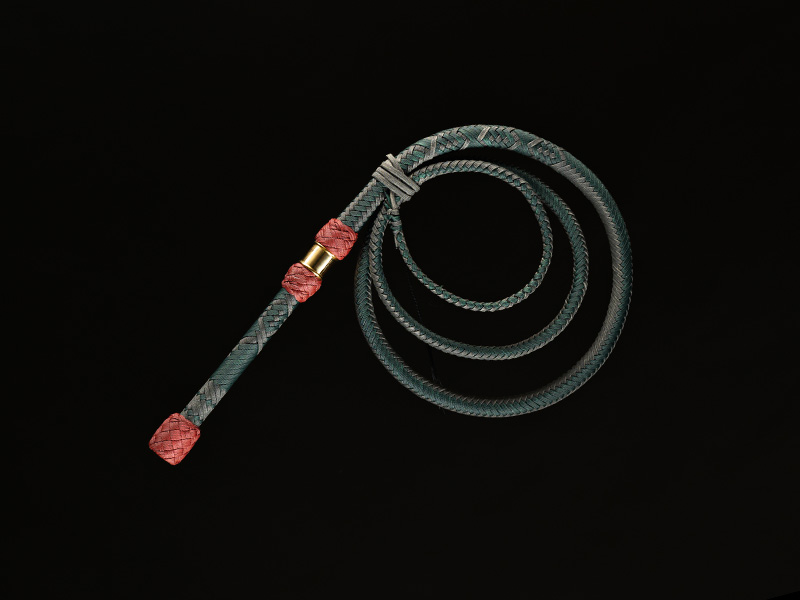
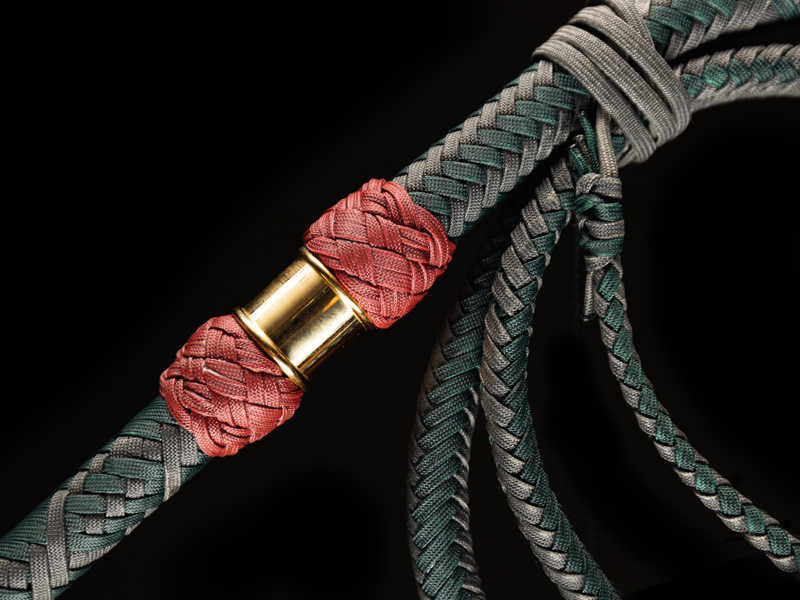
The Belmont
The Belmont logo

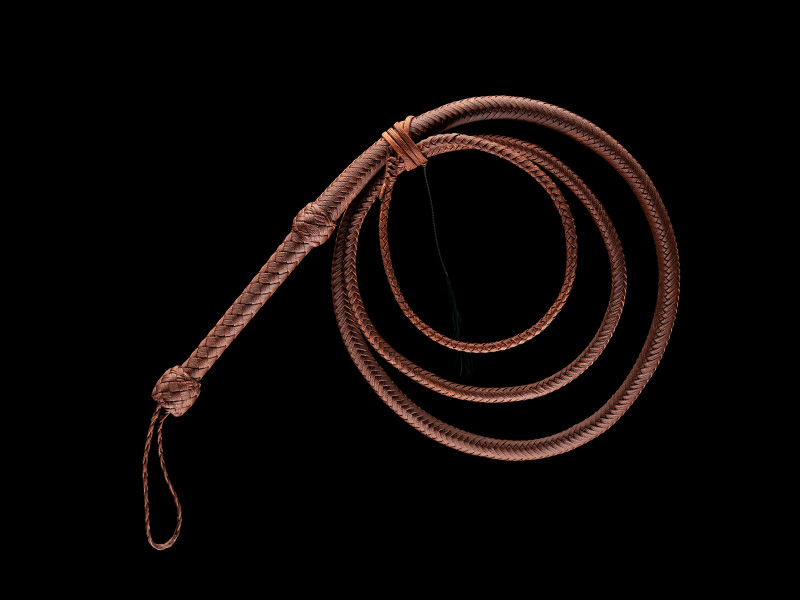
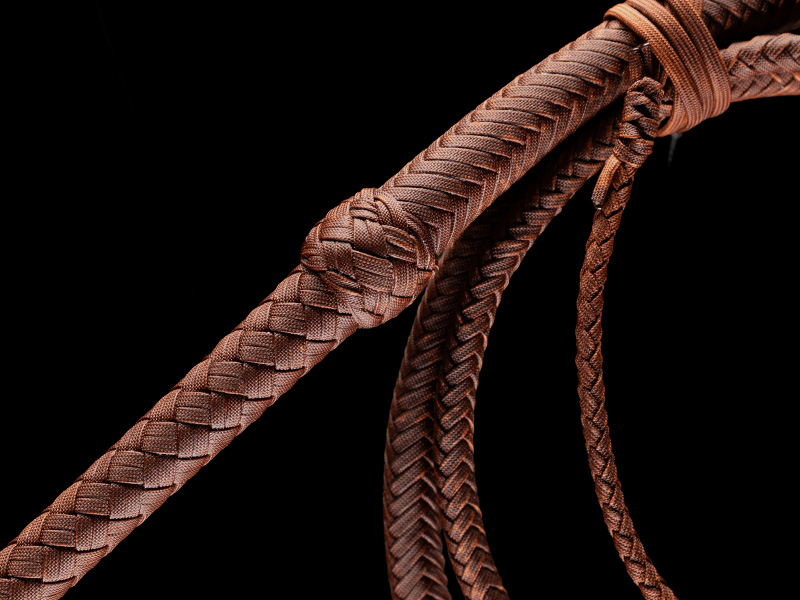
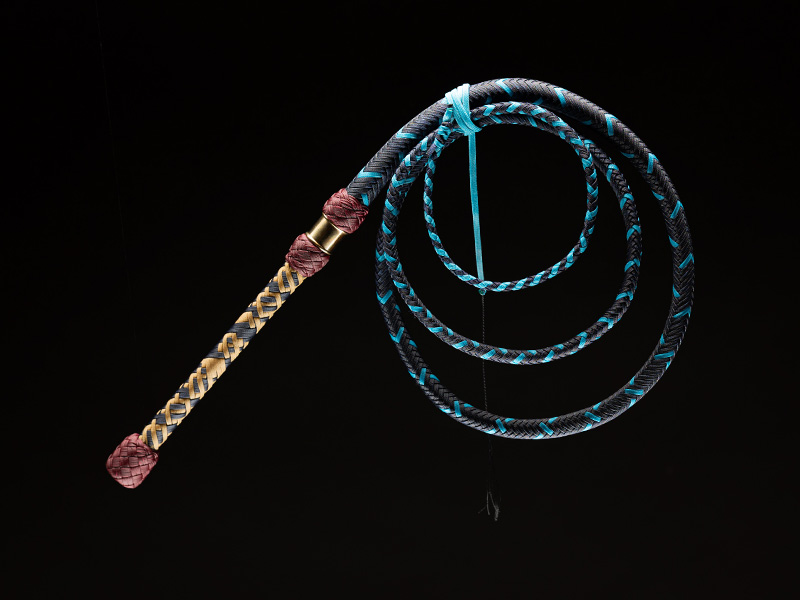
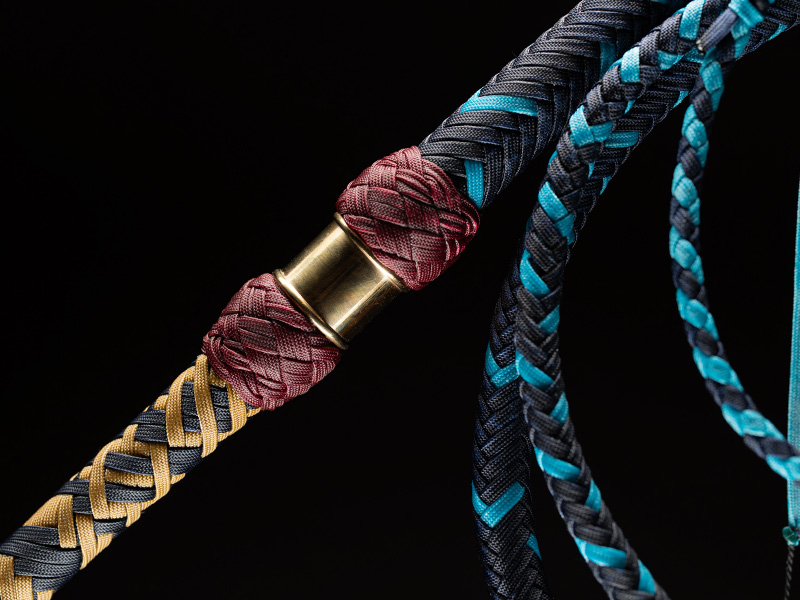
A bullwhip fit for a vampire hunter. The Belmont is built with a rivet handle design and herringbone thong that look like they belong in a moonlit castle — equal parts elegant and lethal. This whip was made for the ones who carry on the family legacy.

See More
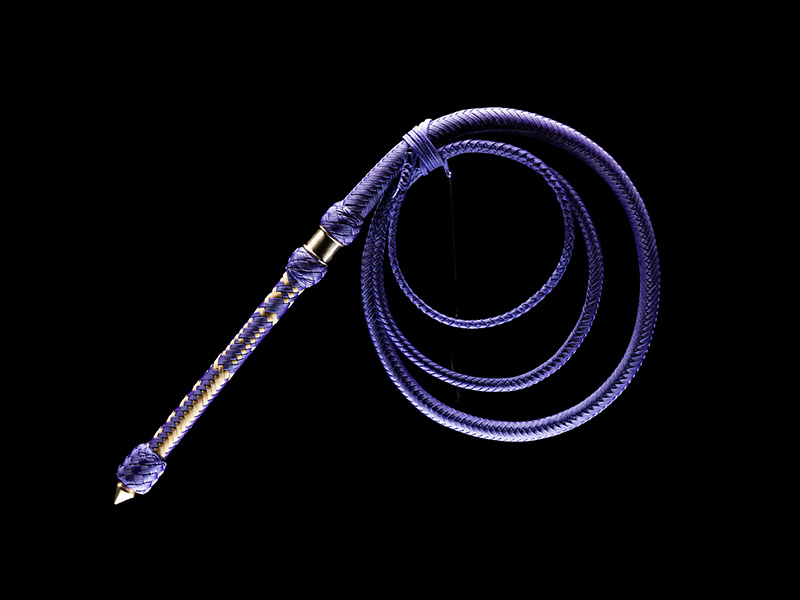
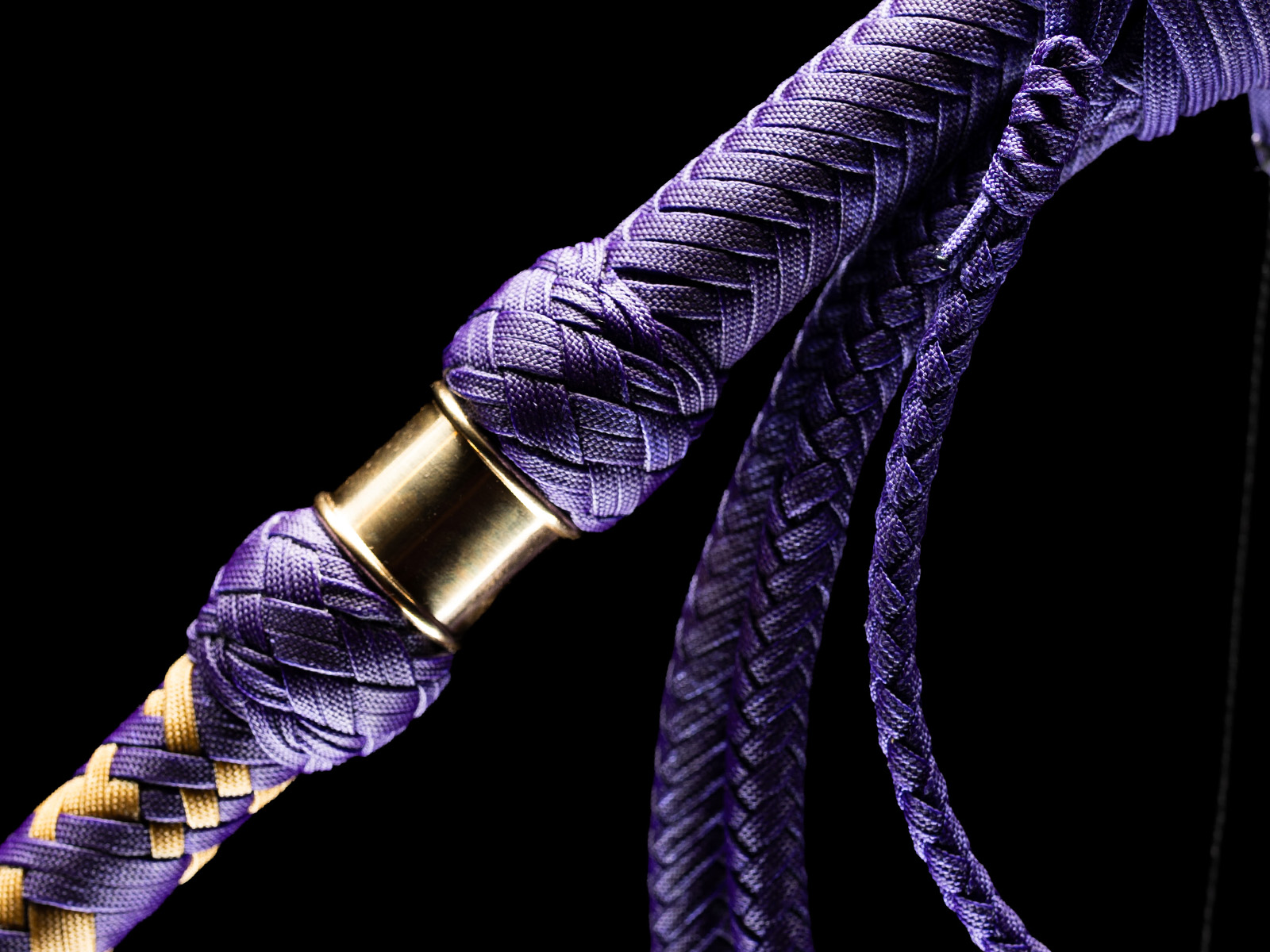
The Catwhip
The Catwhip logo

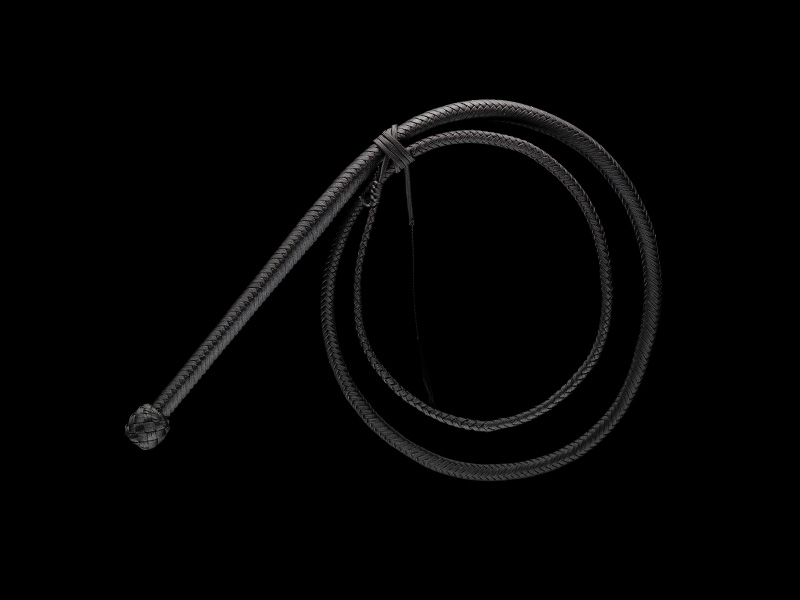
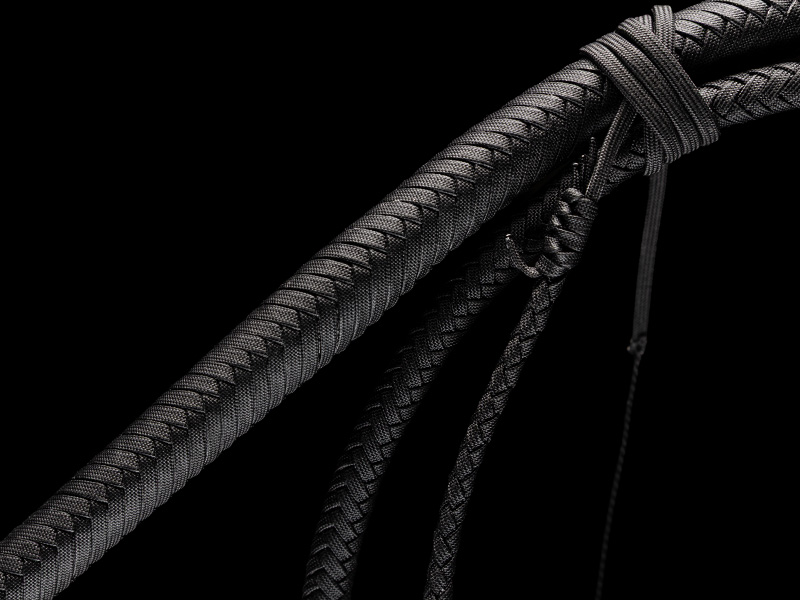
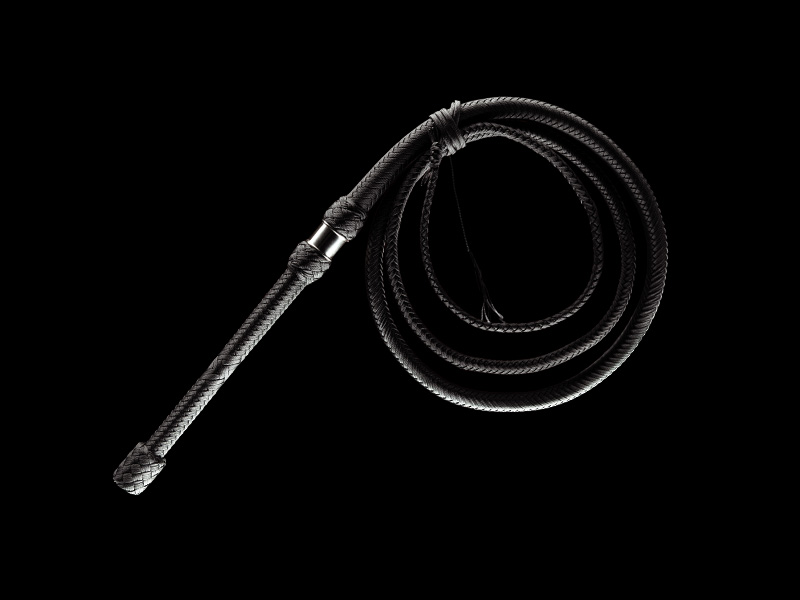
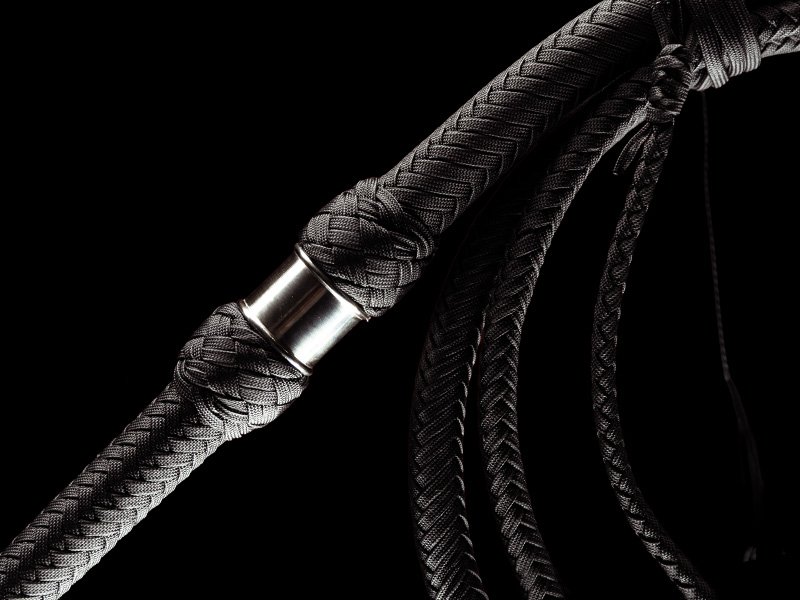
Sleek, dark, and dangerous. The Catwhip is built for the ones who prefer their bullwhips with a little noir edge — no mid knot, clean lines, and a silhouette that speaks for itself. Available in two styles for those who like to keep things classic or turn up the heat.

See More
The Indy Bullwhip
The Indy Bullwhip logo

You already know why you want this whip. The Indy Bullwhip is built for the fans — the ones who watched a hero swing across a chasm and never looked at a bullwhip the same way again. Three styles, each inspired by a different chapter of the adventure.

See More
The Harlequin
The Harlequin logo

Every collection needs a wild card. The Harlequin is a three-color showstopper built for the ones who like a little mayhem with their craft — an inverted diamond thong pattern, a pirate skull concho, and a look that says 'nice to meetcha.' Some whips play it safe. This one doesn't.

See More
Close-up of a WhipWorks Whip transition

What goes in to a WhipWorks bullwhip?

A WhipWorks whip starts with a steel rod that is attached to a nylon sheath. This sheath is then loaded with steel shot. The added weight from the shot encourages a taper that effortlessly transfers energy from the heel to the end of the whip. Over this is applied the first bolster, which is a wrap to support the transition of the whip (the section where the handle and the thong meet). Then the first layer of plaiting is applied, which is a 6 plait layer (6 strands of paracord). Over this, a second bolster is applied before the 10 plait layer is added. And then, the final 16 plait layer is applied. This final layer of plaiting takes much more time, as the pattern in the handle is intricate and requires special attention. After plaiting, a concho is permanently attached to the heel of the whip, and two accent knots are added to the handle. The whip is then submerged in liquid wax, patted dry and hung to set. This waxing make these whips water resistant and ready for any weather condition.

Layers of plaiting on a WhipWorks Bullwhip

Triple Plaited

Every WhipWorks Bullwhip is triple plated to ensure a superior taper for ease of use. Many less expensive whips whip only have 2 or even 1 layer of plaiting. Having 3 seperate layers of plaiting guarantees the professional quality that you would expect from a WhipWorks Bullwhip

Loading steel shot into a bullwhip core

Shot Loading the Core

Every WhipWorks Bullwhip has a shot loaded core. The inner most strand of material is loaded with #8 Steel Shot for a length determined by the overall length of the whip. Shot loading the core adds a bit of weight and encourages a strong taper, makings WhipWorks Bullwhips more accurate and easier to crack!

Batch of handcrafted WhipWorks WhipsWhipWorks Whip hanging on displayCollection of finished WhipWorks WhipsHolding a WhipWorks WhipAssortment of WhipWorks Whips ready to shipWhipWorks Whip on display
Follow me on Instagram

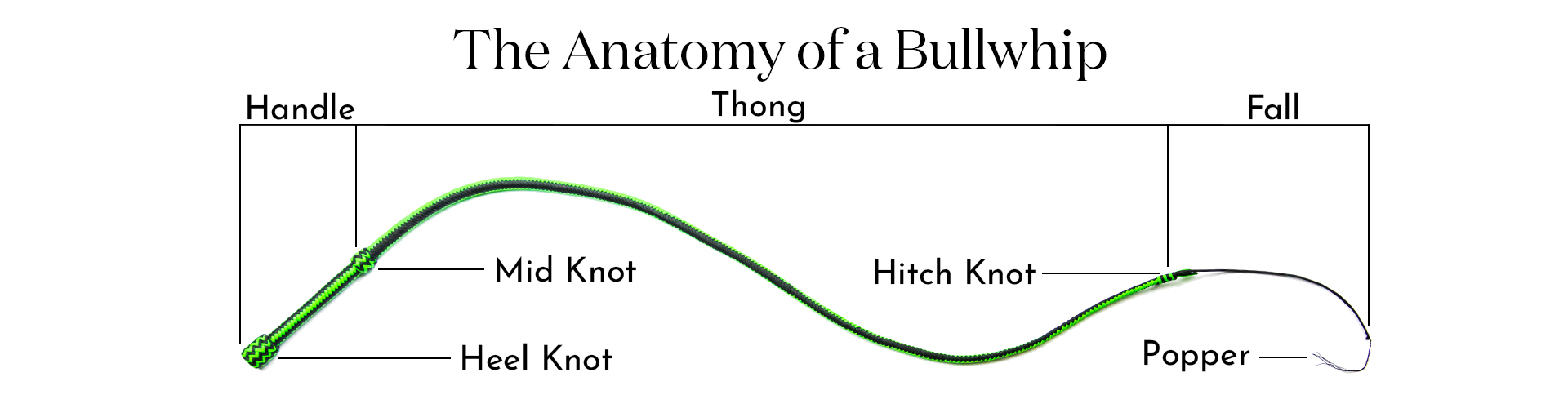
The Anatomy of a Bullwhip

Diagram showing the anatomy of a bullwhip

Here is a break down of a Bullwhip. The handle is the stiff portion containing the 1/4" steel rod. The mid knot shows the end of the handle, and the beginning of the transition (not labeled), which is the beginning portion of the thong. The thong tapers down from 16 strands all the way to the 4 plait hitch knot. The hitch knot is where the fall is attached to the whip. The fall then goes on for about 2 feet and the popper is attached at the end.

How Long is my Bullwhip?

The length of a Bullwhip is measured from the HEEL KNOT to the HITCH KNOT. The fall is not included in the overall length of the whip, but the handle is. So an 8 foot whip will actually be about 10 feet from the hitch knot to the popper (this is the length of the whip plus the length of the fall).

Waxed vs. Unwaxed

Should I Wax my Bullwhip?

Waxing helps to protect the life of your whip. After the whip is completed, it is bathed in liquid paraffin wax. The wax penetrates the small air pockets of the whip, making it water resistant. Waxing also gives the whip a professional finish, as you can see pictured. I ALWAYS recommend waxing your whip.

DESIGN A BULLWHIPDESIGN A STOCKWHIP
Contact© 2026, WhipWorks